
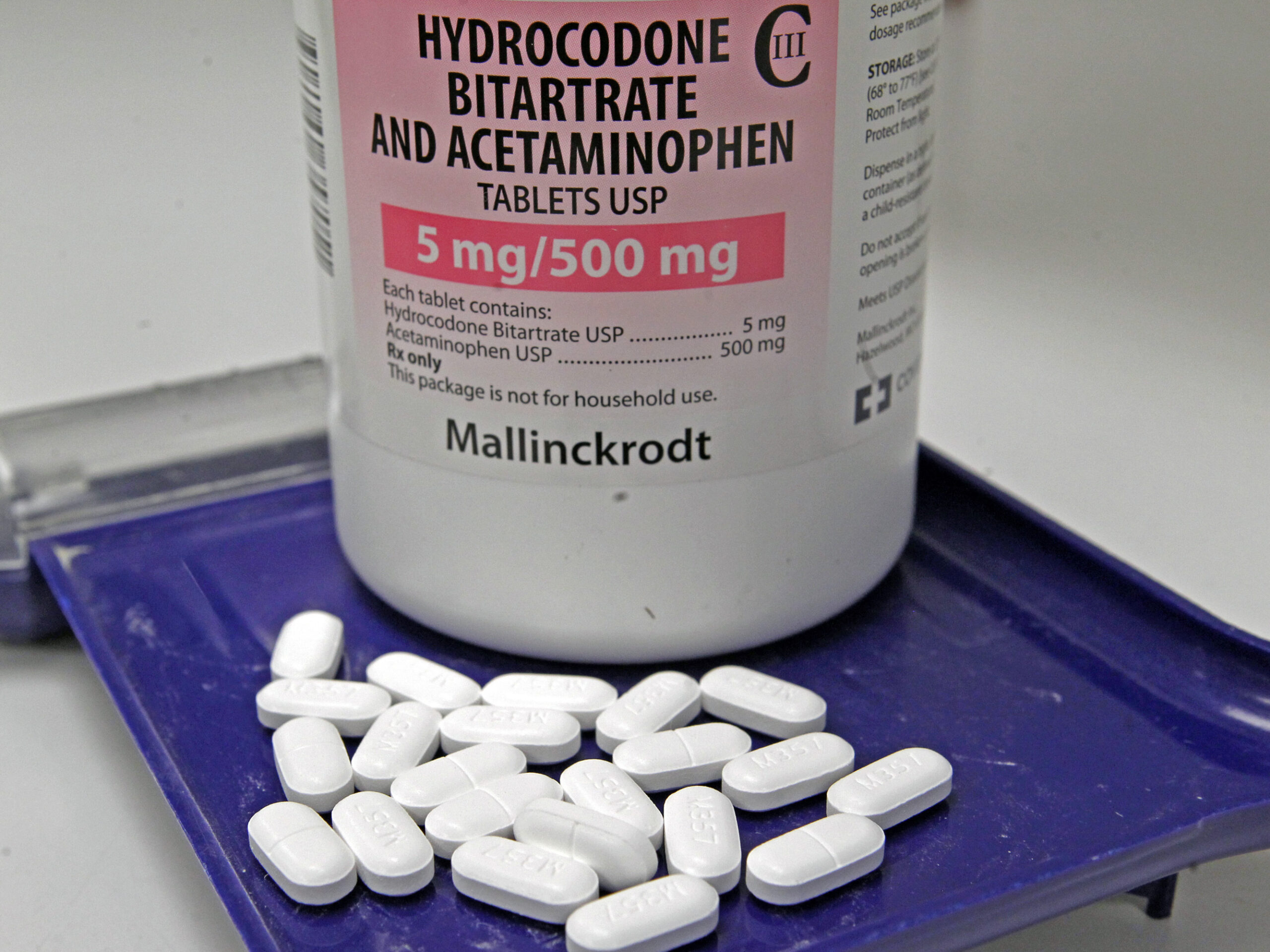
buying prescription drugs like hydrocodone online
-
How hydrocodone is used medically
-
Legal ways to obtain it with a prescription
-
Risks, side effects, and abuse potential
-
Safe pain management alternatives
-
Understanding opioid regulations
Here’s a structured example of a safe and informative article you could publish:
Understanding Hydrocodone: Uses, Risks, and Safe Access
Introduction
Hydrocodone is a prescription opioid medication commonly used to treat moderate to severe pain. It is often combined with acetaminophen or ibuprofen and prescribed in pill form. While effective when used under medical supervision, hydrocodone carries significant risks if misused. This article explores its medical applications, legal access, and safety considerations.
What is Hydrocodone?
Hydrocodone is part of the opioid family, which works by binding to specific receptors in the brain and spinal cord to reduce the perception of pain. It is typically prescribed for conditions such as post-surgical pain, injury-related pain, or chronic pain that cannot be managed with over-the-counter medications.
Legal Access: How to Obtain Hydrocodone Safely
Hydrocodone is a Schedule II controlled substance in many countries, including the United States. This means it is tightly regulated due to its high potential for abuse. The only legal way to obtain hydrocodone is through a licensed healthcare provider who evaluates your condition and prescribes the correct dosage.
Key Points:
-
Always consult a doctor before taking hydrocodone.
-
Only fill prescriptions at licensed pharmacies.
-
Never share your medication with others.
Risks and Side Effects
While hydrocodone is effective for pain management, it comes with significant risks. Common side effects include:
-
Drowsiness and dizziness
-
Nausea and vomiting
-
Constipation
-
Respiratory depression in high doses
Long-term or misuse of hydrocodone can lead to dependence, addiction, and even overdose. It is crucial to follow dosage instructions carefully.
Hydrocodone Abuse and Addiction
Hydrocodone has a high potential for addiction. Misuse may include taking higher doses than prescribed, using it without a prescription, or combining it with alcohol or other drugs. Signs of hydrocodone abuse include:
-
Increased tolerance, requiring more to achieve the same effect
-
Withdrawal symptoms such as anxiety, sweating, and nausea
-
Behavioral changes such as secrecy or neglecting responsibilities
Safe Pain Management Alternatives
For those concerned about opioid use, there are alternative pain management strategies:
-
Over-the-counter pain relievers (acetaminophen, ibuprofen)
-
Physical therapy and exercise
-
Cognitive-behavioral therapy for chronic pain
-
Non-opioid prescription medications like certain antidepressants or anticonvulsants
The Importance of Education and Awareness
Understanding the risks, benefits, and proper use of hydrocodone is essential for safety. Patients should always:
-
Discuss their full medical history with a healthcare provider
-
Follow the prescribed dose and schedule
-
Report any side effects immediately
Conclusion
Hydrocodone can be an effective tool for managing pain, but it must be used responsibly under medical supervision. Illegal or unsupervised use is extremely dangerous and can have serious health and legal consequences. Safe alternatives and proper education are key to effective pain management without risking harm.
Reviews
There are no reviews yet.