
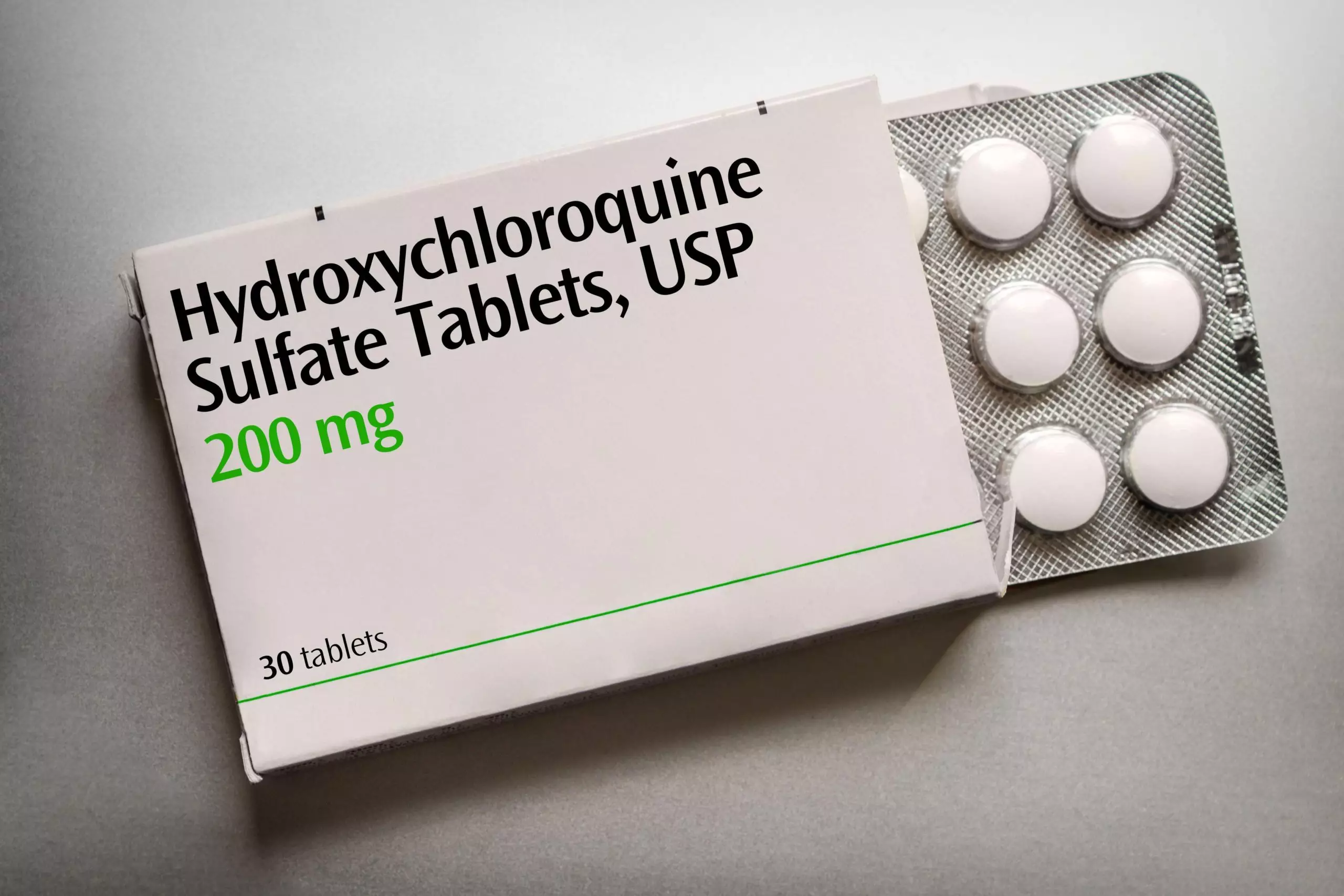
Hydroxychloroquine 200/400mg and COVID-19: Uses, Effectiveness, and Controversy
Introduction
Hydroxychloroquine (HCQ) is a well-known medication primarily used to treat malaria, lupus, and rheumatoid arthritis. During the early months of the COVID-19 pandemic, hydroxychloroquine 200mg and 400mg tablets became the subject of intense global debate. Some studies and clinical trials explored its potential role in preventing or treating COVID-19 (C-19), while public figures and health authorities expressed conflicting views.
This article provides a comprehensive look at hydroxychloroquine 200/400mg in the context of COVID-19: its medical background, mechanisms of action, clinical evidence, safety concerns, and current status in global health policies.
What is Hydroxychloroquine?
Hydroxychloroquine is a synthetic derivative of chloroquine, introduced in the mid-20th century as an antimalarial agent. Over time, it gained approval for additional uses such as:
-
Rheumatoid arthritis: Reduces joint inflammation and pain.
-
Systemic lupus erythematosus (SLE): Helps manage flares and symptoms.
-
Malaria prophylaxis: Prevents malaria in high-risk regions.
It is usually available in 200mg and 400mg oral tablet forms, taken as prescribed by physicians.
Why Was Hydroxychloroquine Considered for COVID-19?
When SARS-CoV-2, the virus responsible for COVID-19, emerged in late 2019, researchers quickly examined existing drugs that could potentially be repurposed. Hydroxychloroquine attracted attention because of several key reasons:
-
Antiviral Properties: In vitro (lab-based) studies showed that hydroxychloroquine could block viral entry into cells by raising the pH in endosomes, preventing virus-cell fusion.
-
Immunomodulatory Effects: Since severe COVID-19 is often linked to overactive immune responses, HCQ’s ability to reduce inflammation made it a candidate for study.
-
Availability and Low Cost: Hydroxychloroquine is widely available and inexpensive compared to newly developed drugs.
These factors led to large-scale trials and even emergency use authorizations in some countries during the pandemic’s early phase.
Dosage: Hydroxychloroquine 200mg vs. 400mg
The two common tablet strengths are 200mg and 400mg, with dosage varying based on indication:
-
For malaria prophylaxis: Often 400mg weekly.
-
For autoimmune diseases: 200–400mg daily, adjusted to patient weight and condition.
-
For COVID-19 (trial use): Regimens varied widely, often beginning with a loading dose of 400mg twice on day one, followed by 200mg twice daily for several days.
It is important to note that self-medication with hydroxychloroquine is dangerous. Dosage must always be prescribed by a healthcare professional, as incorrect use can lead to toxicity.
Clinical Trials and Evidence in COVID-19
Early Observations
In early 2020, small-scale studies suggested hydroxychloroquine might reduce viral load in COVID-19 patients. These preliminary results sparked global interest.
Large-Scale Trials
As the pandemic progressed, larger and more controlled clinical trials were conducted:
-
RECOVERY Trial (UK): Found no significant benefit in reducing mortality or hospital stay among hospitalized COVID-19 patients.
-
SOLIDARITY Trial (WHO): Also concluded that hydroxychloroquine did not reduce deaths in hospitalized patients.
-
Prophylaxis Studies: Some trials explored whether hydroxychloroquine could prevent infection in people exposed to the virus. Results showed no significant protective effect.
Current Consensus
The majority of well-designed clinical trials and meta-analyses concluded that hydroxychloroquine does not provide substantial benefit in preventing or treating COVID-19. As a result, most health agencies no longer recommend its use for COVID-19 outside of clinical studies.
Safety and Side Effects
While hydroxychloroquine is generally safe when used correctly, misuse and high doses can cause serious complications. Side effects include:
-
Common: Headache, nausea, dizziness, stomach upset.
-
Serious:
-
Cardiac toxicity: Can cause arrhythmias, especially when combined with azithromycin.
-
Retinopathy: Long-term use may damage the retina.
-
Neurological effects: Rare cases of seizures or mood changes.
-
During the pandemic, several cases of poisoning occurred due to unsupervised use, reinforcing the importance of medical guidance.
Regulatory and Policy Decisions
-
United States (FDA): In March 2020, the FDA granted an emergency use authorization (EUA) for hydroxychloroquine in COVID-19. By June 2020, the EUA was revoked due to lack of benefit and safety concerns.
-
World Health Organization (WHO): Halted its hydroxychloroquine arm in the Solidarity Trial, citing inefficacy.
-
European Medicines Agency (EMA): Warned against off-label use outside clinical trials.
-
Africa and Asia: Some countries continued using hydroxychloroquine, often due to availability and affordability, though guidelines later shifted.
Public Controversy and Media Influence
Hydroxychloroquine became one of the most politicized drugs during the pandemic. Public endorsements by political figures, media coverage, and social media debates created confusion. Demand for the drug skyrocketed, leading to shortages for patients with lupus and arthritis.
The controversy highlighted challenges in balancing scientific evidence, public hope, and political messaging during a global health crisis.
Current Role of Hydroxychloroquine
As of today, hydroxychloroquine remains a vital drug for malaria and autoimmune conditions but is not recommended for COVID-19 treatment or prevention by most health authorities. Ongoing studies still evaluate its potential in combination therapies, but expectations remain limited.
Key Lessons Learned
-
Evidence-Based Medicine Matters: Early enthusiasm must be validated by rigorous trials before widespread adoption.
-
Communication is Critical: Conflicting messages from leaders and health agencies can fuel public confusion.
-
Drug Repurposing Has Limits: While repurposing can accelerate treatment discovery, not all candidates prove effective.
Conclusion
Hydroxychloroquine 200mg and 400mg tablets played a central role in one of the most intense debates of the COVID-19 era. Initially seen as a beacon of hope, it ultimately showed little benefit in treating or preventing the disease. Today, hydroxychloroquine continues to serve patients with malaria, lupus, and arthritis but has largely exited the COVID-19 conversation.
The hydroxychloroquine story underscores the importance of scientific rigor, cautious optimism, and the responsible use of medications. As the world prepares for future pandemics, these lessons remain invaluable.

Marie Dubois –
Very trustworthy and professional. My order was delivered safely and on time